



JRIG, ISUFST hosts policy forum on women’s and children’s policies in Iloilo Province
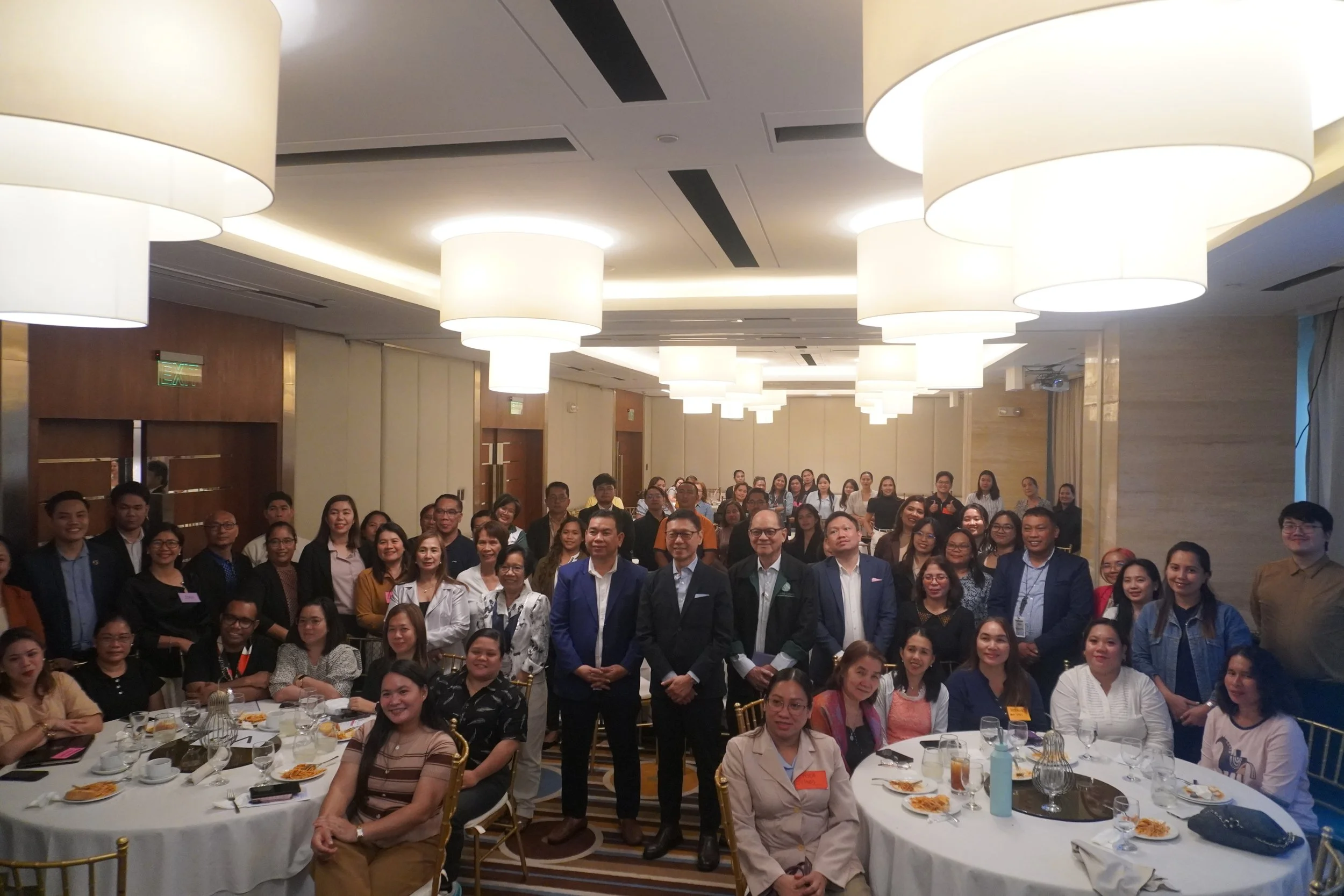
IN PHOTO: Participants, representing various units and offices in Iloilo, along with JRIG and ISUFST researchers, scholars, and staffs gather at the Richmonde Hotel, Iloilo for the LWCP Project Policy Forum.
MANILA CITY, PHILIPPINES — The De La Salle University – Jesse M. Robredo Institute of Governance (DLSU-JRIG) and the Iloilo State University Fisheries Science and Technology (ISUFST) hosted a policy forum following their Localization of Women’s and Children’s Policies (LWCP) Project last November 20, 2025 at the Richmonde Hotel, Iloilo City.
Convened by various stakeholders across academic, civic, and government institutions, and endorsed by the Iloilo Provincial Government, the policy forum formed a space for stakeholder dialogues and conversations to improve the local implementation of landmark national policies surrounding women and children in the Province of Iloilo.
“Localization is not just a concept. It is a lifeline. It is the difference between the law that sits on the shelf of the congress and a program that saves a woman and child’s future,” Iloilo Provincial Administrator Dr. Raul Banias said in his welcome message.
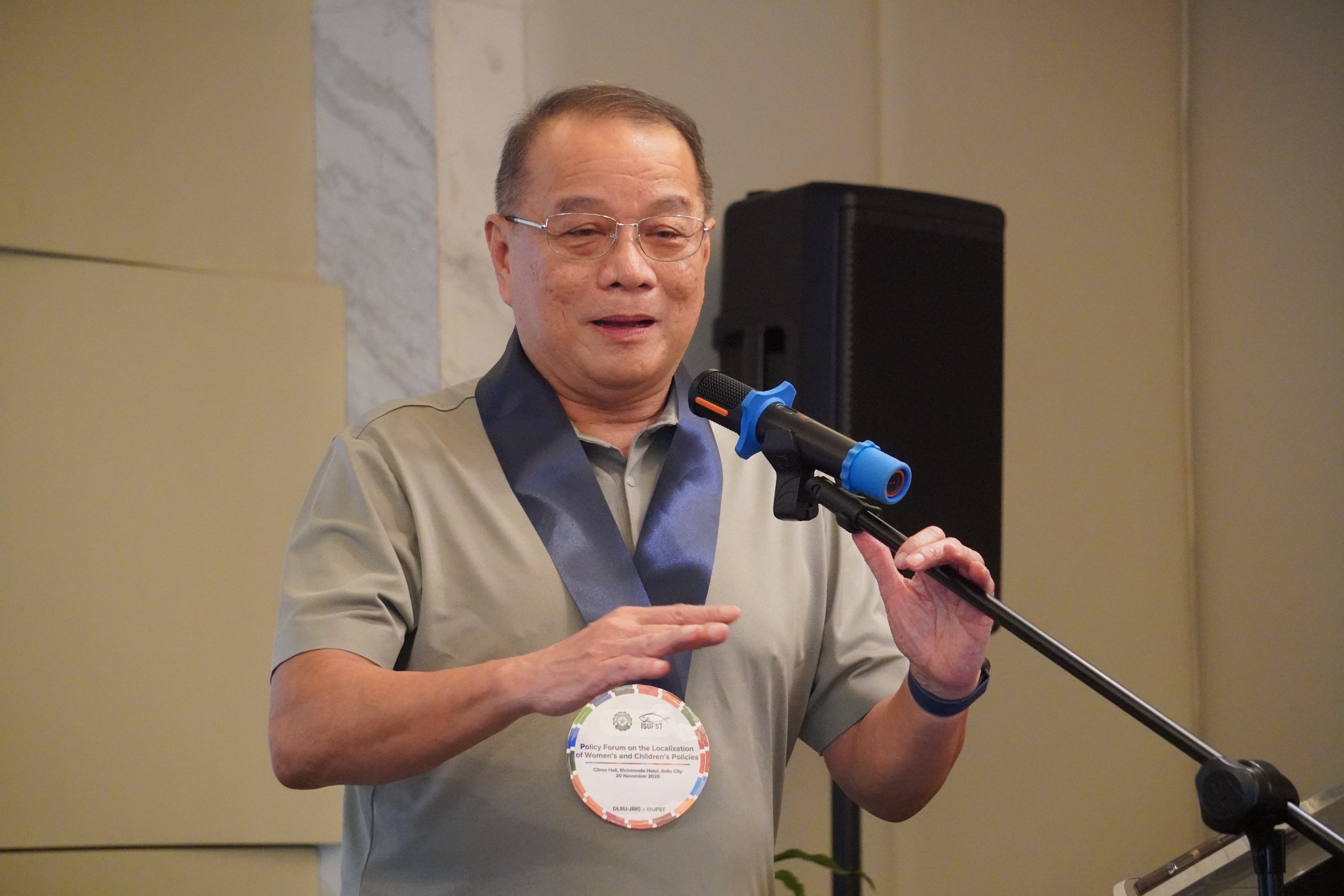
IN PHOTO: Iloilo Provincial Administrator Dr. Raul Banias welcomes the participants and organizers of the LWCP Project Policy Forum.
Along with Dr. Banias, the program also featured special messages from key figures in empowering women’s and children’s rights in both the national and provincial level. These include Commission on Higher Education (CHED) Commissioner Ricmar Aquino, Iloilo 4th District Representative Congressman Ferjenel G. Biron as represented by Mr. Lemuel T. Fernandez.
The project is also recognized and endorsed by the Senate Committee Office on Women, Children, Family Relations, and Gender Equality, led by Senator Risa Hontiveros. In her message, Senator Hontiveros emphasized the role of the project in providing swift and inclusive responses to issues surrounding abuse and exploitation of women and children, “they deserve no less than a bright and secure future—one that is free from abuse, fear, and exploitation. Let’s make it happen for them,” she says.
Structural barriers and weak data management
According to the panel presentations, it was reported that even with landmark national laws such as the Anti-VAWC Act, Reproductive Health Law, Magna Carta for Women, and the Anti-OSAEC law among others, these national legal frameworks remain weak in local implementation.
“Malaking milestone na naipasa natin ang anti-OSAEC law, pero hindi rito natatapos ang lahat. The enemy is vast and ever-changing. Our response must be just as swift, evolving with technology to protect every child from emerging threats,” Senator Hontiveros said.
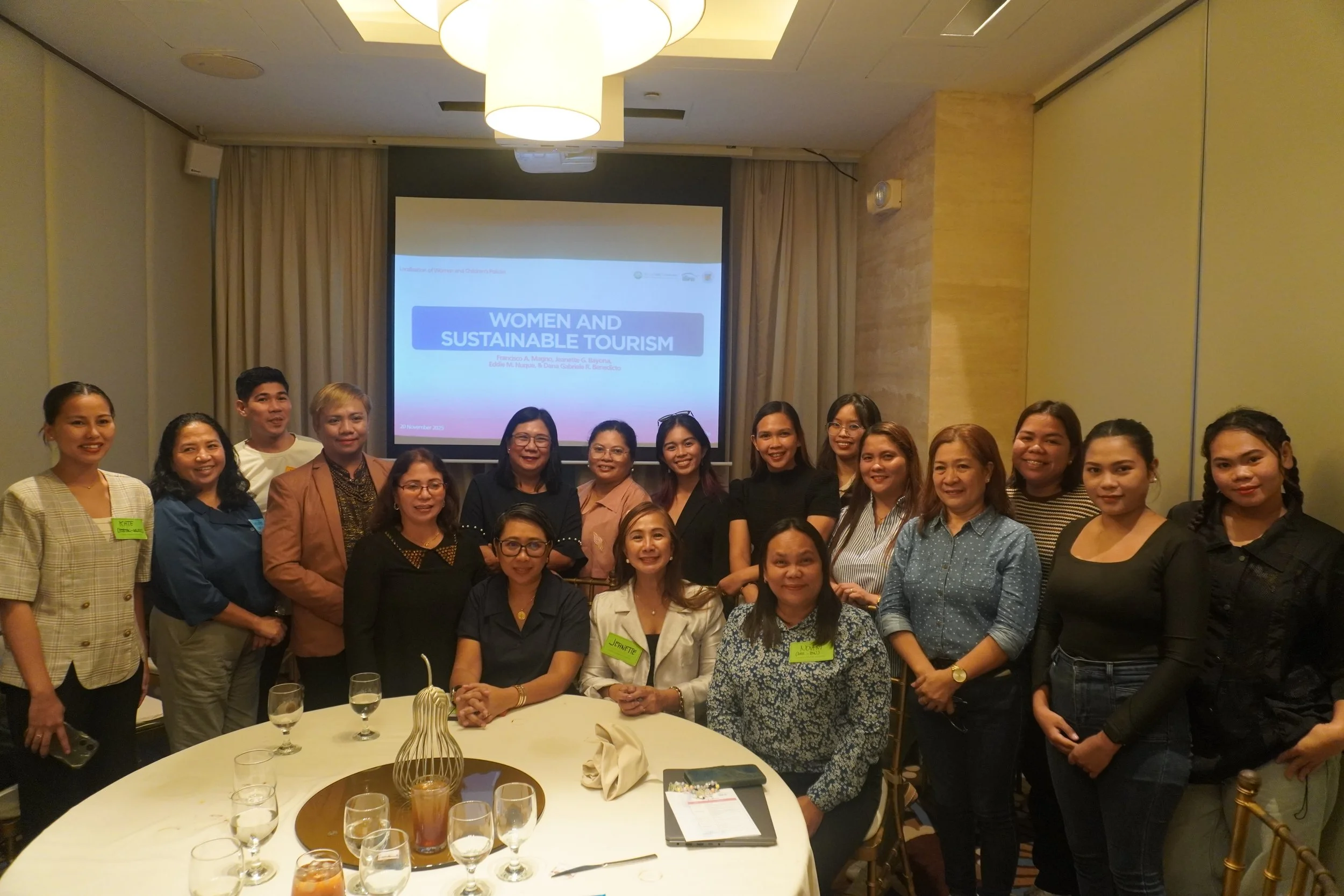
IN PHOTO: Representatives from local tourism offices and related units in Iloilo province join the panel session on Women and Sustainable Tourism led by Dr. Jeanette Bayona, Director for International Affairs and Linkages of ISUFST and Ms. Dana Benedicto, Program and Research Associate of JRIG.
Findings from the forum revealed that the majority of the gaps were due to structural barriers including weak data management, lack of resources, and weak interagency coordination. These commonly manifest through fragmented data of VAWC cases and teenage pregnancies, difficulties in interagency coordination, integration of gender in legal frameworks such as the National DRRM Framework being purely procedural and conceptual, and unmonitored implementation of government programs.
While capacity building among local government units are in place, they continue to struggle in providing viable solutions to issues concerning women and children because of these structural barriers.
Moving Forward
With these surfaced gaps, the project was able to produce 27 policy briefs and more than 5 proposed bills that span across topics on violence against women and children (VAWC), reproductive health and teenage pregnancy prevention, disaster risk reduction and management (DRRM), mental health, tourism, out-of-school youth, and the role of state universities and colleges in women and children empowerment.
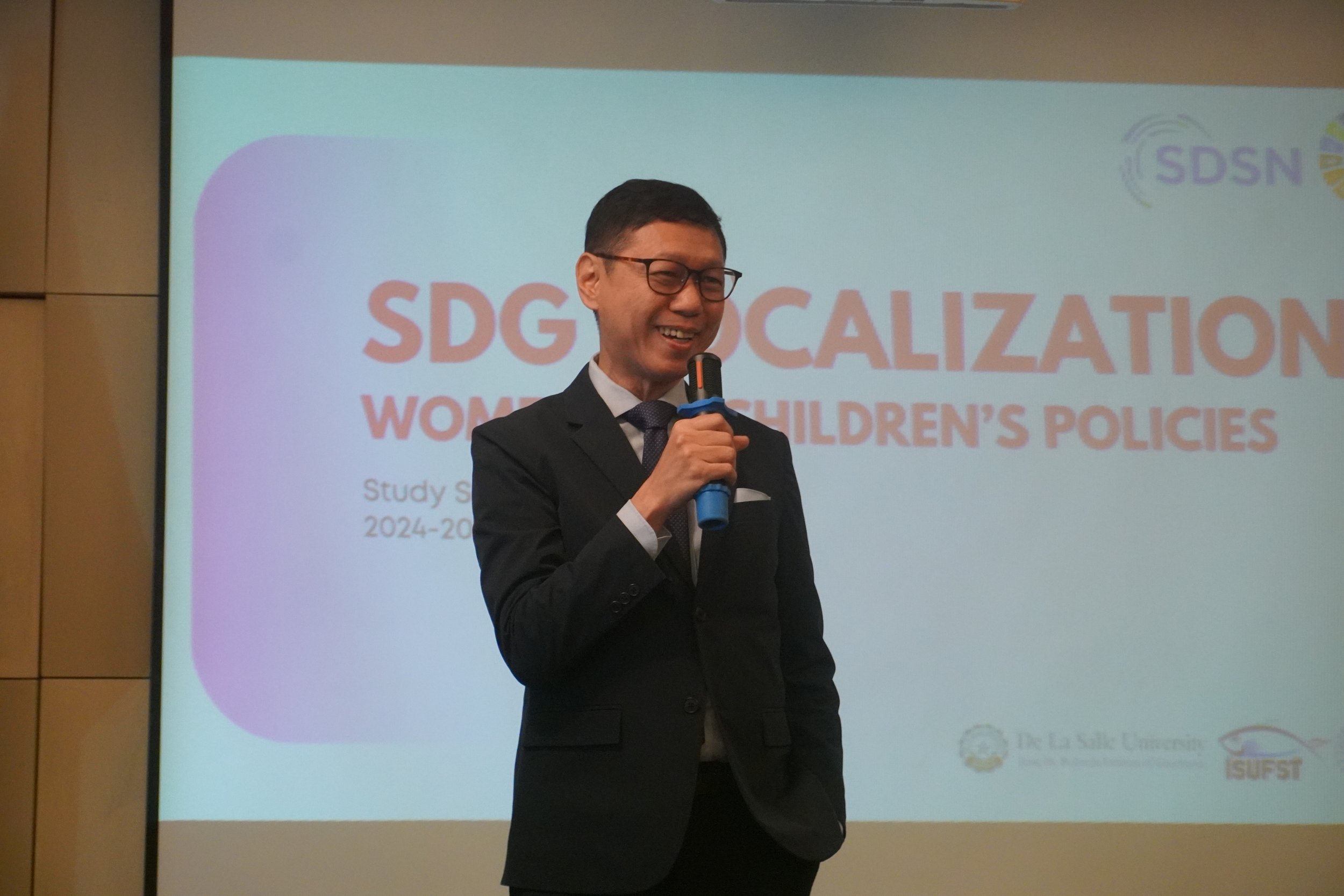
IN PHOTO: JRIG Director Dr. Francisco Magno provides updates on the milestones and future plans regarding the LWCP Project and the ongoing partnership with ISUFST
JRIG Director Dr. Francisco Magno expressed the relevance of the project in achieving the United Nations Sustainable Development Goals (UN SDGs) and ensuring inclusivity: “The aim is to make SDGs relevant, measurable, and actionable in local context so that no community is left behind — no woman and child is left behind — walang maiiwan, walang iwanan,” he says. Dr. Leonora Angeles, Visiting Fellow at the Institute, also discussed possible international research collaborations for the project.
This initiative underscores the commitment of the DLSU-JRIG to advancing the United Nations Sustainable Development Goals (SDGs), particularly in promoting gender equality and the protection of women and children, strengthening inclusive and accountable local governance, and fostering multi-stakeholder partnerships to localize national policies.